The integration of artificial intelligence (AI) into filmmaking represents a profound shift in how films are conceived, produced, and experienced. What began as early experimentation with data analysis and machine learning in the late 20th century has evolved into a powerful set of tools now embedded across every stage of the filmmaking process. Today, AI is not merely a technical aid—it is an active collaborator in storytelling.
AI Across the Filmmaking Process
Modern filmmaking increasingly relies on AI from pre-production to post-production. During pre-production, AI tools can analyze screenplays to identify narrative strengths, pacing issues, and potential audience appeal. These insights help filmmakers refine scripts and make data-informed creative decisions. Similarly, AI-assisted casting systems evaluate actors based on past performances, audience reception, and even social media engagement, enabling more strategic and inclusive casting choices.
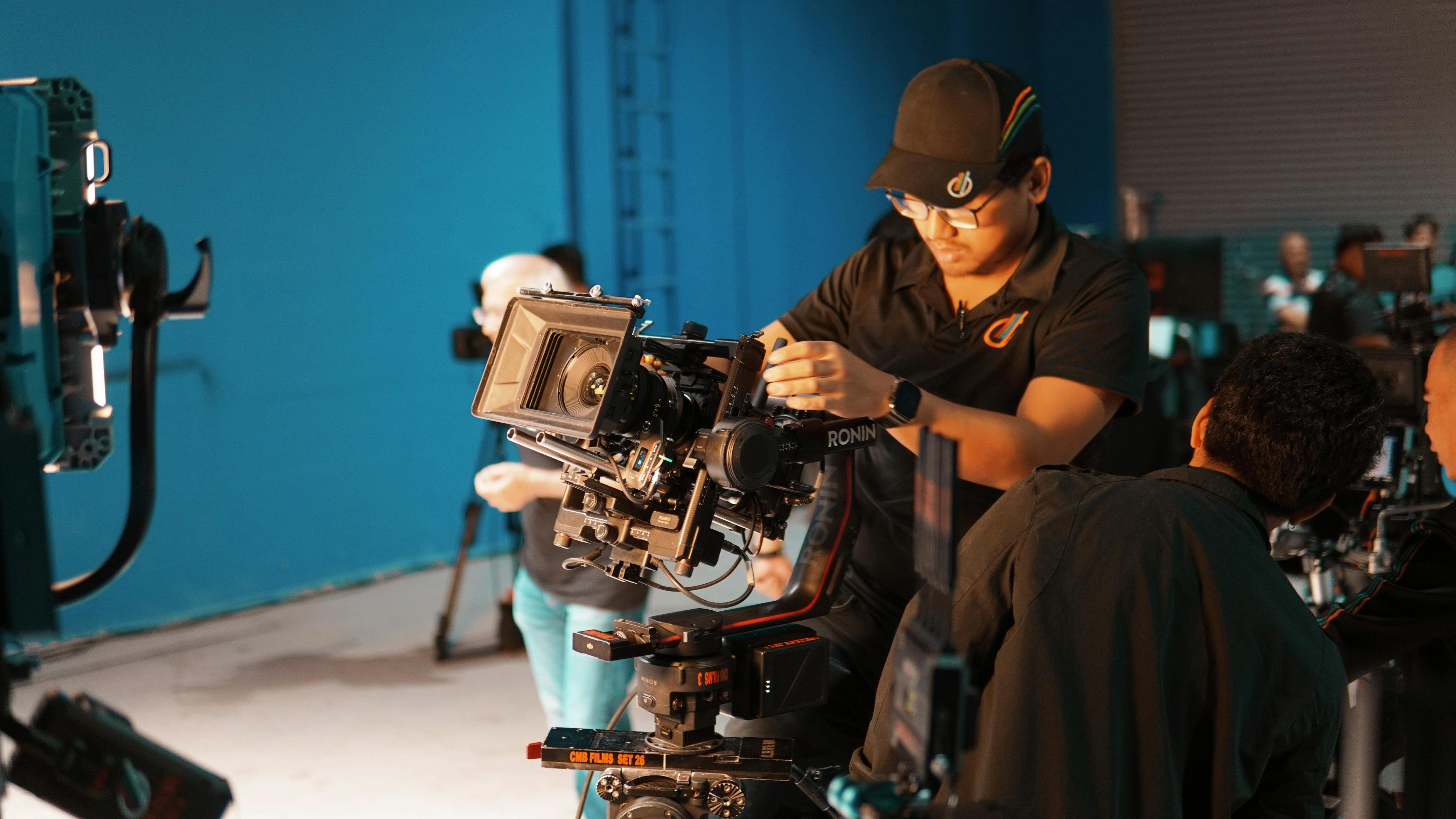
During production, AI enhances cinematography through automated camera systems and real-time analytics. These technologies assist in optimizing shot composition, lighting, and focus, allowing cinematographers to concentrate more on artistic expression. AI-driven tracking systems also enable smoother filming of complex action sequences, improving visual fluidity and precision.
AI in Scriptwriting: Opportunity and Debate
One of the most intriguing applications of AI lies in scriptwriting. By analyzing large datasets of successful films, AI can identify patterns in storytelling, character development, and dialogue. These systems can generate plot ideas, suggest character arcs, and even draft dialogue, helping writers overcome creative blocks and explore new directions.
However, this raises important questions about originality and artistic integrity. While AI can enhance efficiency, critics argue that it may lack the emotional depth and unique perspective that human writers bring. There is also concern that overreliance on data-driven storytelling could lead to formulaic narratives. Despite this, AI holds promise as a supportive tool, particularly for emerging writers seeking to develop their craft.
Data-Driven Casting and Inclusivity
AI-driven casting is reshaping how actors are selected for roles. By analyzing audience preferences, box office trends, and performance data, AI helps match actors with roles that are more likely to resonate with viewers. Additionally, these systems can identify talent beyond traditional industry networks, promoting diversity and expanding representation in film.
This shift not only improves casting efficiency but also contributes to more inclusive storytelling, allowing underrepresented voices to gain visibility in mainstream cinema.
Enhancing Visual Storytelling
AI has significantly expanded the possibilities of visual storytelling. In cinematography, intelligent systems assist with real-time adjustments, ensuring technical precision while enabling creative experimentation. In visual effects, AI can generate realistic imagery faster than traditional methods, allowing filmmakers to push the boundaries of imagination.
These advancements empower creators to experiment with new visual styles and techniques, ultimately enriching the cinematic experience.
Revolutionizing Post-Production
Post-production has seen some of the most dramatic benefits of AI integration. Automated editing tools reduce manual workload while improving narrative flow. AI-assisted color grading ensures visual consistency across scenes, and advanced algorithms streamline the creation of complex visual effects.
By reducing technical burdens, AI allows filmmakers to focus more on storytelling and artistic vision, enhancing both efficiency and creativity.
Audience Insights and Predictive Analytics
AI also plays a crucial role in understanding audiences. By analyzing data from streaming platforms, social media, and viewing habits, AI provides insights into audience preferences and trends. Filmmakers can use this information to tailor content, refine marketing strategies, and even predict a film’s potential success.
This data-driven approach extends beyond production, enabling real-time feedback and continuous engagement with audiences.
Ethical Challenges and Industry Impact
Despite its advantages, the use of AI in filmmaking raises important ethical concerns. Issues surrounding copyright and ownership of AI-generated content remain unresolved, challenging traditional legal frameworks. Additionally, the automation of creative tasks poses a risk to employment within the industry, potentially displacing skilled professionals.
To address these challenges, the industry must establish clear ethical guidelines that balance technological innovation with the preservation of human creativity and labor.
Looking Ahead: The Future of AI in Film
As AI technology continues to advance, its role in filmmaking is expected to grow even further. Emerging tools in virtual production and real-time rendering are already transforming how films are made, enabling immersive environments and greater creative flexibility.
Rather than replacing human creativity, AI is likely to become a collaborative partner enhancing artistic expression while streamlining technical processes. In the future, personalized content tailored to individual viewer preferences may redefine how audiences engage with films.
Conclusion
Artificial intelligence is reshaping the filmmaking landscape in unprecedented ways. From script development to audience analysis, its influence is both and transformative. While challenges remain, particularly in ethics and employment, the potential for innovation is immense. By embracing AI thoughtfully, the film industry can unlock new creative possibilities while preserving the human essence that makes storytelling truly impactful.
