Lucknow, July 8: Researchers from Indian Institute of Management Lucknow and Fortis Hospital, Delhi, have conducted a study examining how cultural sensitivity, communication, and expectation management influence the experiences of international patients seeking medical treatment in India.
India has become one of the world’s leading medical tourism destinations due to its world-class healthcare infrastructure, globally recognised hospitals, experienced medical professionals, reduced waiting times, and affordable treatment costs.
Conducted by Prof. Payal Mehra, Professor of Communication, IIM Lucknow, along with Dr. Himanshu Tyagi, Director, Orthopaedic Department, Fortis Hospital, New Delhi,
the study examined international medical tourists’ perceptions of cultural sensitivity and communication practices in Indian hospitals. The findings of this study have been published in the prestigious Asia Pacific Journal of Health Management.
The research team conducted this study at a Government of India-designated medical tourism healthcare institution in New Delhi that is accredited by both the National Accreditation Board for Hospitals & Healthcare Providers and the Joint Commission International .
Using a questionnaire-based, cross-sectional research design, researchers collected input from 1,600 international patients and analysed the data using multiple linear regression, confirmatory factor analysis, and mediation-moderation analysis techniques.
The research team found that international patients form their perceptions of a hospital’s cultural sensitivity through various sources of information both before and during their treatment journey. These perceptions play a significant role in shaping how patients assess the quality of communication and the level of accommodation shown by healthcare professionals during clinical consultations.
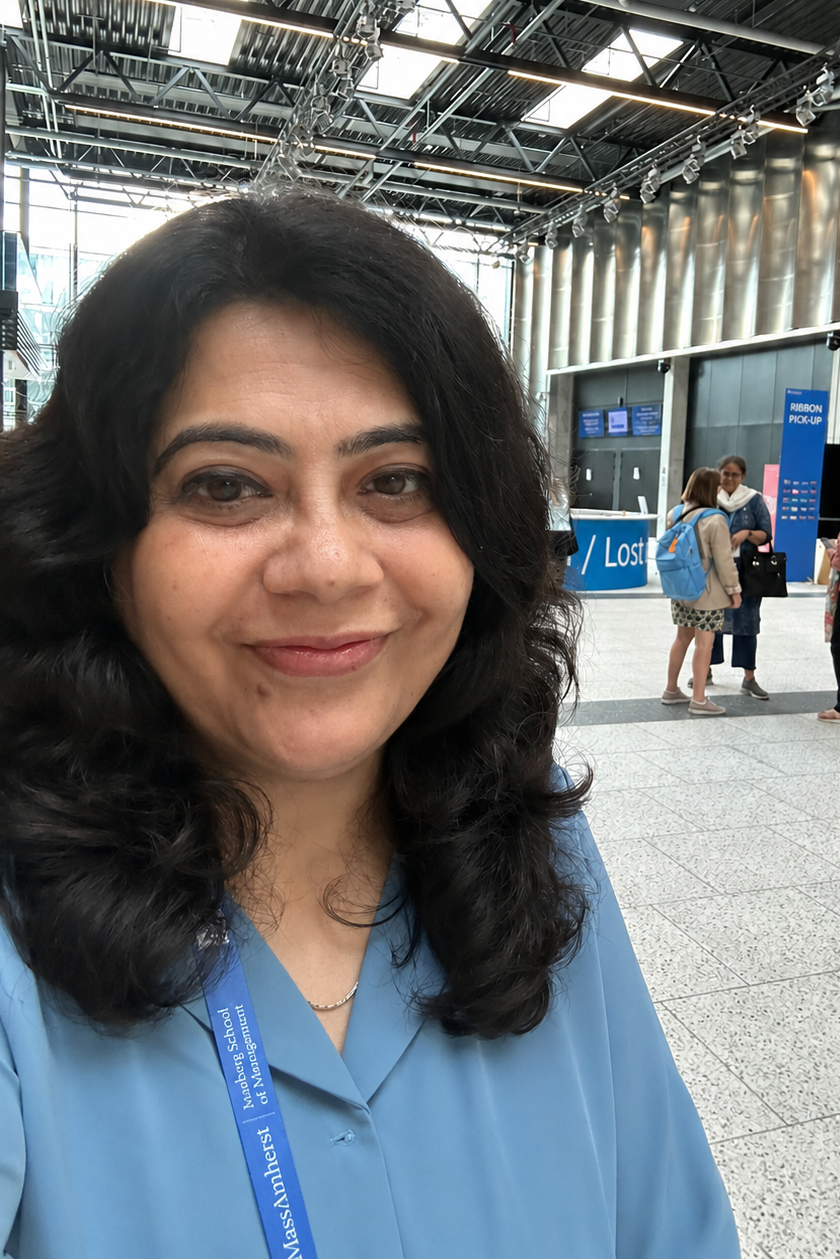
Speaking about the findings of the research, Prof. Payal Mehra said,
“India is an important hub of medical tourism. However, the market is skewed towards neighbouring countries reporting lower cultural distance. Our findings reveal how cross-cultural communication skill training can be utilised to attract and retain medical tourists. This study is relevant to the global economy as it exists at the intersection of healthcare, culture, communication, and international business.”
The study suggests that hospitals serving international patients should:
· invest in structured Inter-Cultural Communication raining programmes for healthcare professionals.
·strengthen patient confidence by enhancing their medical tourism websites with culturally relevant information about India, its healthcare ecosystem, and tourism opportunities.
·leverage emerging technologies such as Augmented Reality and Virtual Reality to demonstrate how Indian healthcare professionals adapt their communication styles to accommodate patients from diverse cultural backgrounds.
Such initiatives could improve overall patient satisfaction even before they arrive in India for treatment.
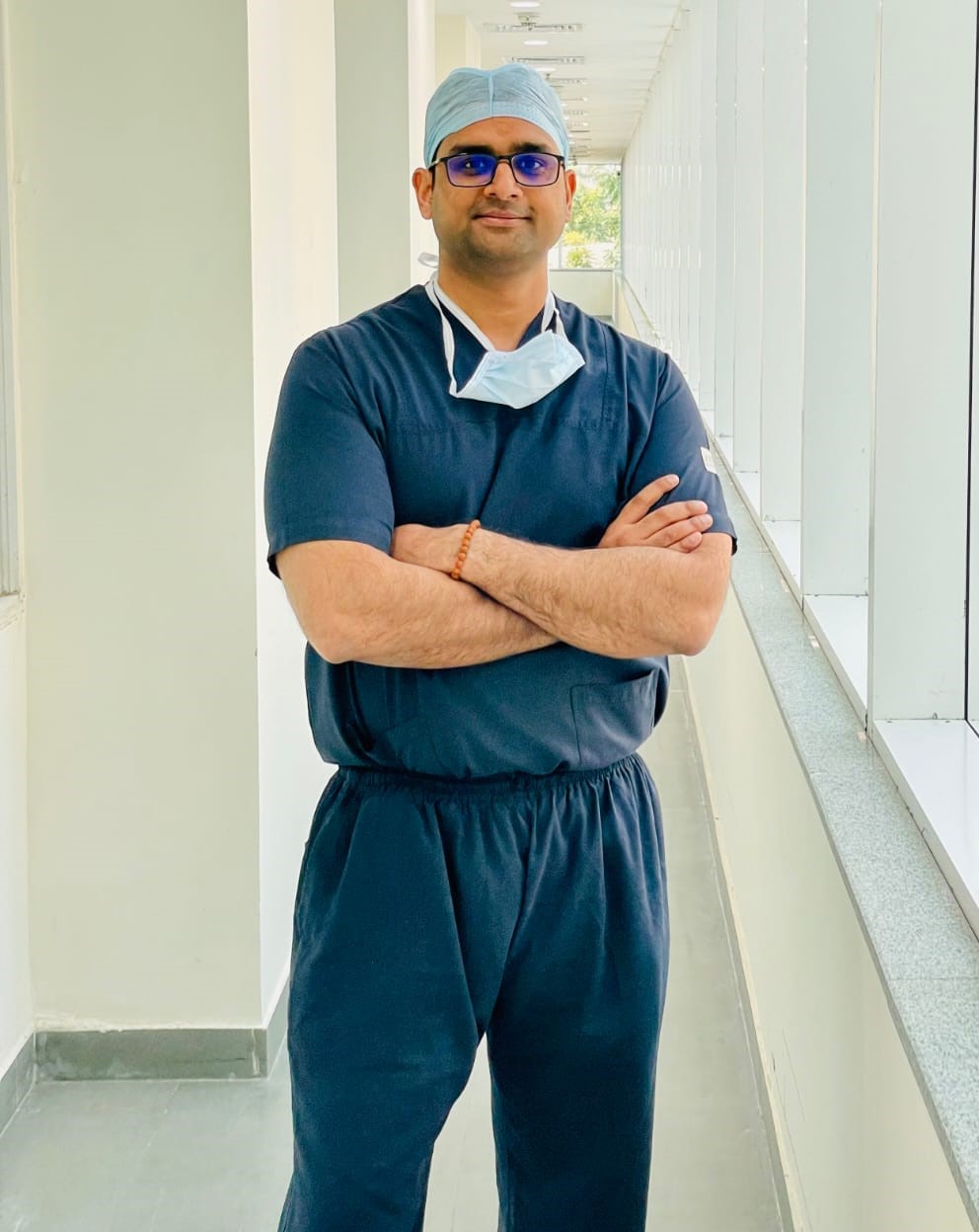
Highlighting real-world impact of the research findings, Dr. Himanshu Tyagi, said,
“Medical tourists do not travel across borders seeking treatment alone—they seek trust, understanding, and reassurance. Our findings show that hospitals that bridge cultural and communication gaps can create superior patient experiences and enhance India’s competitiveness in the global medical tourism market.”
As India continues to emerge as a global healthcare destination, the study provides timely insights into the role of patient-centred care beyond clinical outcomes.