Mumbai, August 13, 2026: For a patient waiting for a transplant, every day can be a battle between hope and uncertainty. A donated heart can give a family back its loved one; a donated liver can offer a patient a fresh beginning; a kidney can restore independence and the possibility of a normal life. On World Organ Donation Day, Wockhardt Hospitals, Mira Road has urged citizens to look at organ donation not merely as a medical decision, but as one of the most powerful acts of humanity.
Organ failure can affect people across age groups, while the availability of suitable organs remains limited. In such circumstances, deceased organ donation can transform tragedy into hope. According to the National Organ & Tissue Transplant Organisation (NOTTO), organs such as the kidneys, liver, heart, lungs, pancreas and intestine can potentially be donated, while several tissues can also help restore or improve the lives of recipients.
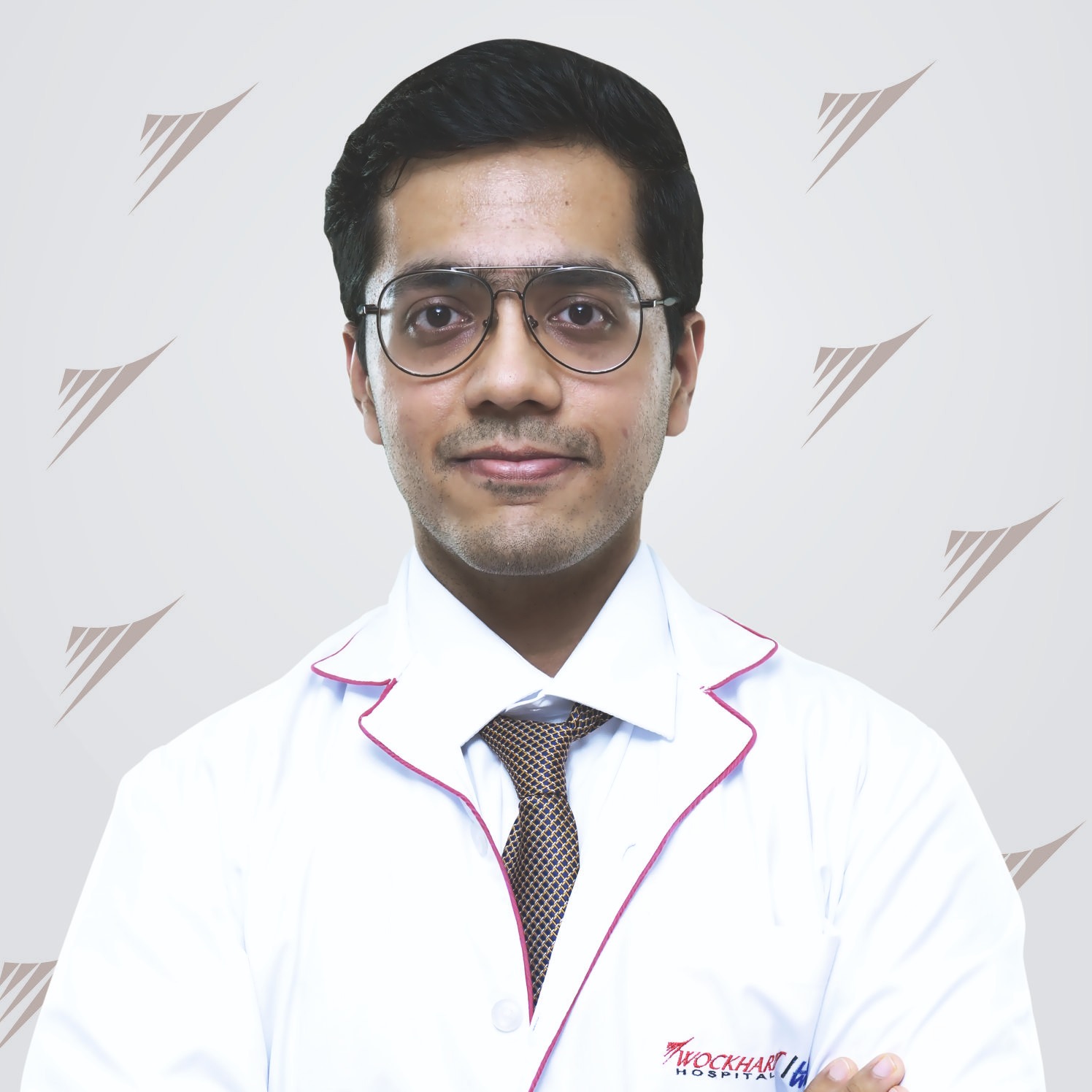
Dr. Puneet Bhuwania,consultant nephrologist and transplant physician from Wockhardt Hospitals, Mira Road, said, “Organ donation is not about what we lose; it is about what we can give. A person may leave this world, but their decision to donate can allow another person to continue living, return to their family and fulfil dreams that seemed impossible. The most important step is to have this conversation with our loved ones while we are healthy. When families know a person’s wishes, they are better prepared to make an informed decision at a difficult time.”
One of the most important aspects of deceased organ donation is understanding brain-stem death. In India, brain-stem death is legally recognised as death and is certified through a prescribed medical process by an authorised panel of doctors. Although a ventilator may maintain breathing and circulation temporarily, irreversible loss of brain-stem function means the person has died.
If a patient is declared brain-stem dead and the family consents to donation, medical and legal procedures are followed before organs are retrieved. Suitable organs are then allocated through the authorised transplant network according to established criteria. The donation process is carried out with dignity, and the body is returned to the family for funeral rites.
Importantly, organ donation does not affect efforts to save a patient’s life. Doctors treating a critically ill patient remain committed to saving that patient’s life. Donation is considered only after death has been formally certified and the necessary consent and procedures have been completed.
Dr. Bhuwania added, “We routinely plan for our children’s education, our finances and our family’s future, but we often avoid discussing organ donation. It is time to change that. Make your decision, tell your family and register your pledge. One conversation today could become someone else’s chance to see tomorrow.”
Wockhardt Hospitals, Mira Road has appealed to citizens to learn the facts, discuss organ donation with their families and formally record their wishes through the authorised national organ-donation system.