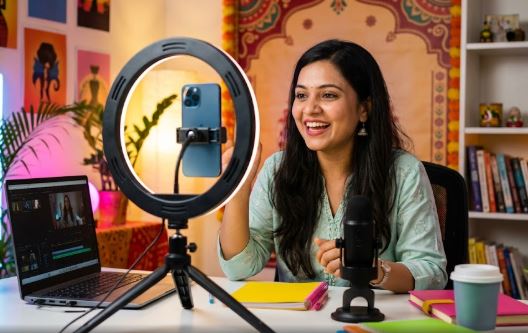
Short-form video in India has grown from a source of quick entertainment into a powerful force shaping the country’s digital media industry. From comedy clips and music trends to mobile-first dramas and educational videos, bite-sized content is changing how people watch, share and discover information. It is also opening new business opportunities for creators, advertisers, production companies and digital platforms.
The shift reflects a change in consumer behaviour. Many viewers now turn to their smartphones for entertainment during commutes, work breaks and leisure time. Instead of waiting for a television programme or setting aside time for a full-length film, they can access content instantly through platforms such as Instagram Reels and YouTube Shorts.
For India’s entertainment industry, this change is about more than viewing habits. It is influencing how films are promoted, how regional stories reach audiences and how content creators earn money. As competition for digital attention intensifies, short-form video is becoming an increasingly important part of the media business.
How Short-Form Video Is Changing Consumer Behaviour
Convenience is one of the biggest reasons behind the popularity of short-form video. Brief, mobile-friendly clips allow viewers to consume content whenever they have a few spare minutes. Recommendation algorithms also introduce audiences to new creators, music, products and stories based on their interests.
India’s expanding digital audience provides a strong foundation for this format. Affordable smartphones, wider internet access and the popularity of social media have made video content an everyday part of digital life.
Short videos also encourage participation. Viewers can recreate dance routines, respond to trends, share opinions or produce their own versions of popular content. This interaction turns audiences into active participants rather than passive viewers.
For media businesses, the implications are significant. Content is increasingly competing not only with other programmes but also with the endless stream of videos available on a user’s screen. Producers must capture attention quickly while offering enough originality to encourage repeat viewing.
Micro-Dramas Open a New Revenue Stream
One of the emerging trends in short-form video is the rise of micro-dramas. These mobile-first series tell stories through brief episodes, often ending with a twist or cliffhanger that encourages viewers to watch the next instalment.
Romance, family conflict, suspense and personal ambition are common themes. The format borrows the emotional appeal of television serials but delivers stories in shorter, more accessible segments.
Industry estimates cited in the supplied material have placed India’s micro-drama market at around $500 million. The exact size depends on how the segment is defined, but the growing interest in specialised apps and short episodic storytelling points to an emerging commercial opportunity.
The business model can include advertising, subscriptions and small payments to unlock additional episodes. Some platforms offer the opening episodes free to attract viewers before charging for continued access.
For production houses, micro-dramas may offer a way to test new ideas and reach mobile audiences without following the traditional film or television distribution model. Their long-term success, however, will depend on whether viewers remain engaged and whether revenue can cover production, marketing and platform costs.
Bollywood and Music Adapt to the Short-Video Trend
Short-form video has become an important promotional channel for Bollywood, regional cinema and the music industry. A catchy song, memorable dialogue or distinctive dance move can spread rapidly online, helping a film or track gain visibility before and after its release.
Film producers increasingly have opportunities to extend marketing campaigns through behind-the-scenes footage, cast interactions, short scenes and audience-led challenges. Music labels can similarly use short clips to encourage listeners to discover complete songs.
This approach can give older songs a new lease of life and help emerging performers reach audiences beyond their usual markets. It also creates opportunities for smaller production houses that may not have the budgets required for large conventional advertising campaigns.
However, viral popularity does not automatically translate into box-office success or music revenue. The real business value lies in converting online engagement into ticket sales, streams, subscriptions or stronger audience loyalty.
Regional Content Strengthens India’s Creator Economy
India’s linguistic diversity is a major advantage for the short-video industry. Content in Tamil, Telugu, Bengali, Marathi and other regional languages allows creators to connect with audiences through familiar humour, local traditions and everyday experiences.
Platforms such as Moj and Josh have helped create opportunities for Indian-language content, while larger social media platforms provide additional distribution channels. Creators no longer need to depend entirely on traditional media networks to showcase their talent.
This is particularly relevant for aspiring comedians, musicians, dancers, actors and storytellers outside major entertainment centres. A locally produced video can find a substantial audience if it resonates with viewers and is shared widely.
Regional content also has commercial value. Local retailers, tourism operators, restaurants, fashion businesses and consumer brands can collaborate with creators who understand their communities. Such partnerships can make digital advertising more relevant and accessible to smaller businesses.
Yet building a sustainable career remains difficult. Platform algorithms can change, audience attention can shift quickly and creator earnings may fluctuate. Developing a loyal audience and finding multiple sources of income are therefore important for long-term stability.
Digital Advertising and Influencer Marketing Gain Momentum
The expansion of short-form video is changing how brands communicate with consumers. Businesses are increasingly experimenting with creator partnerships, product demonstrations, customer testimonials and short promotional campaigns designed for mobile viewing.
For advertisers, the format offers flexibility. Campaigns can be tailored to particular interests, locations and language groups, while audience responses can help businesses assess which messages perform best.
The wider creator economy also supports work in video editing, scriptwriting, production, talent management, campaign planning and digital analytics. As brands seek regular content rather than occasional advertisements, demand for these services may create opportunities for freelancers and small creative agencies.
Market forecasts cited in the supplied material suggest that India’s influencer marketing industry could reach $2.8 billion to $3.5 billion by 2028. Such projections are not guaranteed outcomes, but they indicate the commercial interest surrounding creator-led advertising.
For businesses, the priority should be measurable results rather than views alone. A campaign that attracts attention but generates few enquiries or purchases may have limited commercial value. Clear objectives, credible creators and transparent sponsorships can help brands build more effective campaigns.
Educational Videos Expand Beyond Entertainment
Short-form video is also finding a place in education and professional development. Creators use brief clips to explain concepts, share exam-preparation tips, teach languages and introduce practical skills.
For students, these videos can make complex topics easier to approach. For working professionals, they offer quick introductions to new tools, workplace skills and career options. Regional-language explainers can further widen access for learners who prefer studying in their mother tongue.
Education companies can use free videos to introduce their teaching methods and direct interested learners towards structured courses or paid programmes. Independent educators can also build an audience without investing in a traditional classroom or large production setup.
However, short clips are not a replacement for comprehensive learning. Complex subjects require depth, practice and feedback, while inaccurate advice can mislead students and job seekers. The most effective education businesses will use short videos to attract learners and support, rather than replace, deeper learning experiences.
Artificial Intelligence Is Changing Video Production
Artificial intelligence is creating new possibilities for short-form content production. AI-assisted tools can help creators generate captions, translate scripts, edit footage, organise ideas and adapt videos for different platforms.
These tools may reduce production time and make content creation more accessible to individuals and small businesses. Translation and localisation can also help creators reach audiences across India’s language markets.
At the same time, easier production means more competition. When large numbers of creators can publish videos quickly, originality, storytelling and credibility become important differentiators. Copyright, consent and the responsible use of synthetic media will also remain significant concerns.
For businesses, AI can improve efficiency, but technology alone cannot guarantee audience engagement. Content still needs a clear purpose and a strong understanding of what viewers find useful or entertaining.
Challenges That Could Shape the Industry’s Future
Despite its growth, short-form video faces several challenges. The pressure to attract clicks and shares can encourage sensational headlines, repetitive content and misleading claims. Creators may also struggle with unpredictable earnings and dependence on platform algorithms.
Copyright issues can arise when music, film scenes or other creative material is used without permission. Advertisers must ensure that paid partnerships are disclosed and that product claims are not misleading.
Platforms, brands and creators will need to balance rapid content production with quality, transparency and audience trust. These factors will influence whether short-form video develops into a sustainable business sector rather than remaining dependent on temporary online trends.
The Future of Short-Form Video in India
Short-form video in India is becoming an important part of the country’s entertainment and digital business landscape. It is opening new routes for storytelling, giving regional creators wider visibility and encouraging brands to rethink how they reach consumers.
Micro-dramas, creator-led advertising, educational content and AI-assisted production are creating opportunities across the media value chain. At the same time, traditional film studios, broadcasters and streaming services are adapting their strategies to reach audiences whose viewing habits are becoming more flexible.
The next phase of growth will depend on the industry’s ability to turn attention into lasting value. Creators need sustainable income, advertisers need measurable returns and audiences need content that is worth their time.
Ultimately, the strength of India’s short-form video industry will not be measured by viral clips alone. Its long-term success will depend on original storytelling, responsible business practices and the ability to build meaningful connections with viewers.