Water is fundamental to life, making its quality essential for both human health and environmental sustainability. Ensuring that water is safe for consumption and other uses requires systematic testing, which evaluates its physical, chemical, and biological characteristics. By monitoring these factors, individuals and communities can detect contamination early and take necessary steps to maintain safe water supplies.
Why Water Testing Matters
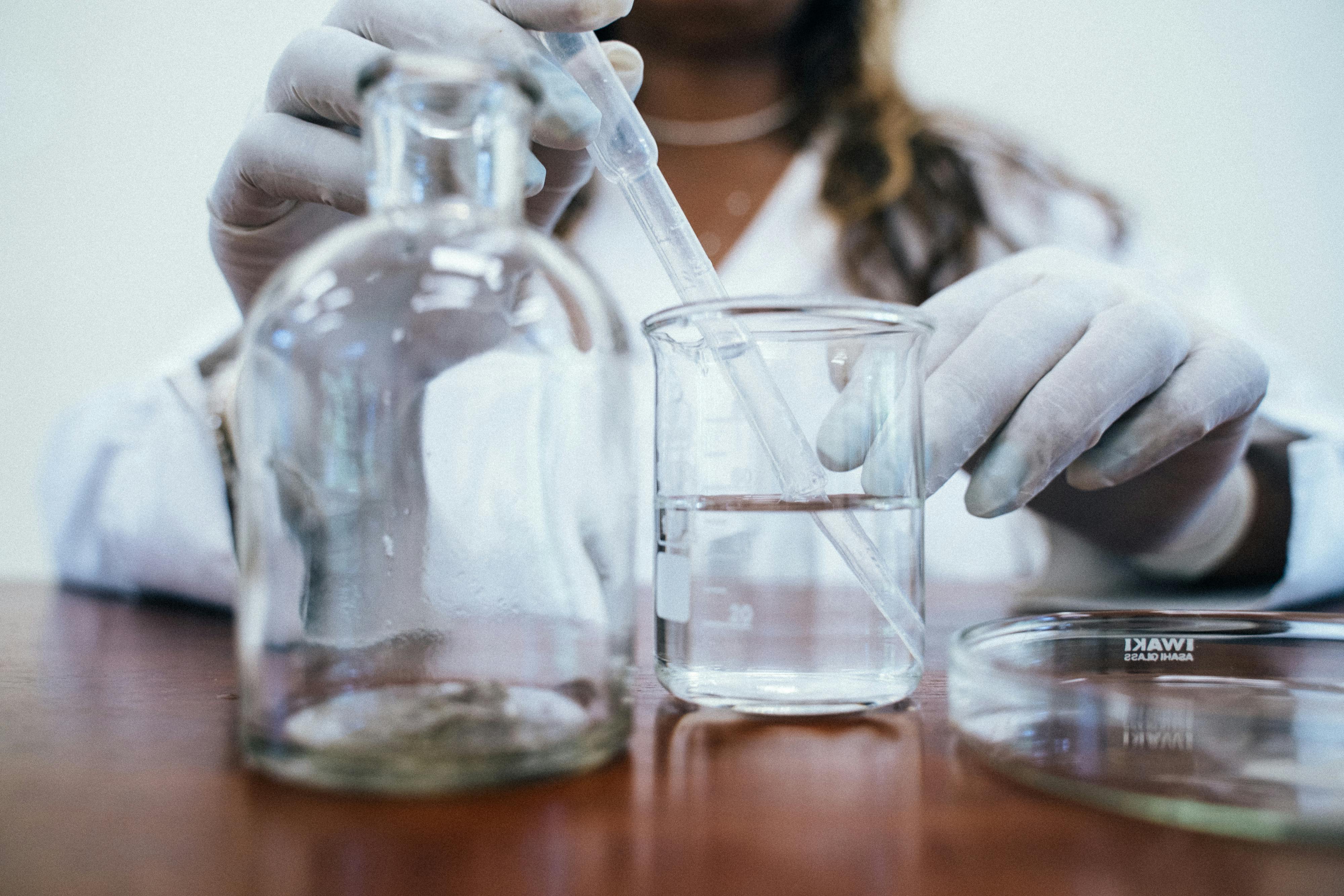
Contaminated water can lead to serious health problems, including digestive illnesses, neurological disorders, and reproductive issues. Beyond human health, polluted water can damage aquatic ecosystems, harming fish and other organisms. Regular water testing, especially through a water testing lab in Odisha, helps identify harmful substances, enabling timely intervention and preventing long-term damage.
Important factors used to evaluate water quality include pH, Total Dissolved Solids (TDS), and hardness. These parameters help determine how safe and suitable the water is for drinking and other purposes, and are carefully assessed in a ensure reliable results.
pH: Measuring Acidity and Alkalinity
pH is a measure of how acidic or alkaline water is, on a scale from 0 to 14. A value of 7 is neutral, below 7 is acidic, and above 7 is alkaline. For most purposes, especially drinking, an ideal pH range lies between 6.5 and 8.5.
Maintaining balanced pH levels is crucial. Water that is too acidic can corrode pipes and leach harmful metals like lead and copper. On the other hand, highly alkaline water may cause scaling and reduce the effectiveness of disinfection processes. Additionally, aquatic organisms are sensitive to pH changes, and even small shifts can disrupt entire ecosystems.
Total Dissolved Solids (TDS): A Measure of Overall Water Quality
TDS represents the total concentration of dissolved substances in water, including minerals, salts, and organic matter. It is typically measured in milligrams per liter (mg/L).
High TDS levels can affect the taste of water, making it salty or metallic. While moderate levels are generally safe, extremely high concentrations may indicate contamination, including the presence of harmful substances like heavy metals.
TDS is commonly measured using conductivity meters, which estimate dissolved solids based on water’s ability to conduct electricity. Another method involves evaporating water and weighing the remaining residue.
Water Hardness: Impact on Daily Life
Water hardness is determined by the amount of calcium and magnesium dissolved in water. It is usually categorized as:
- Soft
- Moderately hard
- Hard
- Very hard
Hard water can interfere with soap effectiveness, leading to residue buildup on skin, clothes, and surfaces. It also contributes to scaling in pipes and appliances, reducing efficiency and increasing maintenance costs.
Although not typically harmful to health, very hard water may affect mineral balance and household usability, making its monitoring important.
Common Water Contaminants
Water can contain various contaminants that pose risks to health and the environment:
- Heavy metals (e.g., lead, mercury, arsenic): Can cause organ damage and neurological issues.
- Microorganisms (e.g., bacteria, viruses): Responsible for waterborne diseases.
- Organic chemicals (e.g., industrial solvents): May lead to long-term health problems, including cancer.
Regular testing is essential to detect these contaminants and ensure safe water consumption.
The Role of Microbial Testing
Microbial testing focuses on identifying harmful pathogens such as bacteria and viruses. Techniques like membrane filtration and advanced molecular methods allow accurate detection of microorganisms in water.
This type of testing is critical because microbial contamination can spread rapidly and cause outbreaks of disease. Consistent monitoring ensures compliance with safety standards and protects public health.
Home Testing vs. Laboratory Analysis
Water quality can be assessed using either home testing kits or professional laboratory services:
Home Testing Kits
- Quick and convenient
- Cost-effective
- Suitable for basic parameters
- May lack high accuracy
Laboratory Testing
- Highly accurate and reliable
- Detects a wider range of contaminants
- More expensive
- Results take longer
For routine checks, home kits are often sufficient, but laboratory testing is recommended for detailed analysis or when contamination is suspected.
Interpreting Test Results
Understanding test results is key to taking appropriate action:
- pH: Ideal range is 6.5–8.5
- TDS: Should generally be below 500 mg/L for drinking water
- Hardness: Above 180 mg/L is considered very hard
If values fall outside recommended ranges, corrective measures such as filtration, water softening, or chemical treatment may be required.
Best Practices for Maintaining Water Quality
To ensure safe and clean water:
- Test water regularly (at least every six months)
- Use reliable and properly calibrated testing tools
- Stay informed about local water quality reports
- Seek professional advice if abnormalities are detected
- Install appropriate treatment systems when needed
Conclusion
Water testing plays a vital role in protecting both human health and the environment. By monitoring key parameters like pH, TDS, and hardness, as well as identifying contaminants, individuals and communities can make informed decisions about water use and safety. Establishing a routine testing practice not only ensures access to safe drinking water but also contributes to the long-term preservation of vital water resources.
