July 22: As artificial intelligence and data-driven decision-making reshape leadership expectations across sectors, a growing number of highly experienced professionals, some with over a decade of work experience, are choosing to formally upskill, even in fields long considered insulated from this kind of pressure.
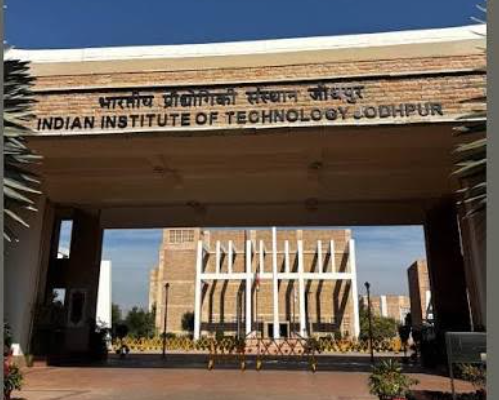
IIT Jodhpur’s MBA Technology program was designed to widen access to management education, reducing the minimum work-experience requirement from the industry-standard three-plus years to two. The program takes a technology-first approach, offering two specialization tracks – Analytics & AI, and Digital Product Management. Admitted students also gain access to the institution’s IIT alumni network.
The programme’s positioning reflects this shift, built around a technology-centric curriculum, focused specialization tracks in Analytics & AI and Digital Product Management, and flexibility designed for working professionals. This structure allows candidates to build capabilities that align closely with contemporary industry requirements, without stepping away from their current roles and responsibilities.
What was intended as a program to lower the barrier to entry has instead attracted a cohort defined by unusually deep professional experience. Early admissions include a business owner running an export business, an army officer, and a practicing doctor preparing to eventually run his own business. None of these professionals needed this degree to keep their jobs, they chose it to change how they make decisions.
Within the program, one trend stands out, enrollment in the Analytics & AI track is significantly outpacing Digital Product Management. “What we’re seeing is a direct response to an identified gap,” said Prof. Avinash Kumar Agarwal, Director, IIT Jodhpur. “Professionals across fields are recognizing that better decisions, not just better products, are what will differentiate them going forward. That’s why Analytics & AI is resonating so strongly.”
Taken together, these patterns reflect a broader shift toward continuous learning as a defining feature of professional growth today. Upskilling is increasingly seen not as a decision tied to career stage or job security, but as an ongoing investment in staying relevant within a fast-evolving, technology-driven landscape.