Aug 27: India’s shopping centres are increasingly moving beyond their traditional role as retail destinations, with experiential formats becoming a key driver of consumer engagement. As shoppers seek more meaningful ways to spend their leisure time, malls are evolving into social hubs that combine shopping with entertainment, dining, wellness and community experiences.
The shift is particularly visible during the End of Season Sale period. Once largely associated with discounts and seasonal shopping, EOSS is increasingly being positioned as a larger consumer experience, with shopping centres combining retail offers with live entertainment, interactive activities, workshops, food experiences and community-led engagements.
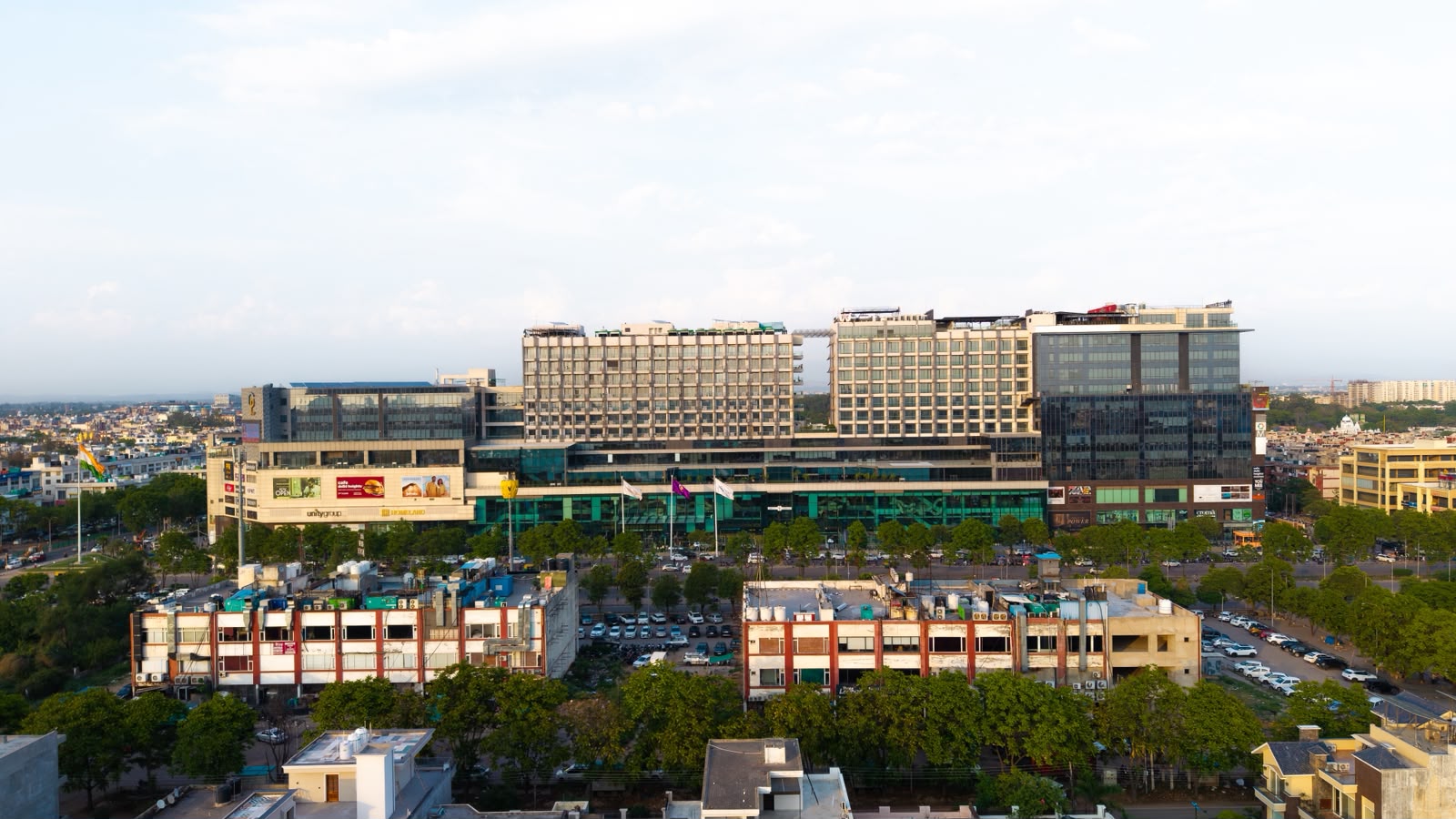
Industry players believe this evolution reflects a broader change in consumer behaviour. With e-commerce offering convenience and price discovery, physical retail is increasingly competing on experience. Consumers are looking for destinations where a shopping trip can extend into a complete day-out with family and friends.
“Consumers today are looking beyond transactions. They want destinations that offer convenience, entertainment and experiences under one roof. The evolution of EOSS into a more experiential format reflects this larger shift in Indian retail, where the objective is increasingly to create reasons for consumers to spend more time at a destination,” said Mrinaal Mittal, Managing Director, Homeland Group.
The growing focus on experiential retail is also changing the way shopping centres plan their annual calendars. Festivals, concerts, workshops, fitness activities, children’s engagements, food events and community gatherings are becoming part of the overall destination strategy rather than being treated as standalone activities.
For retailers, the approach offers an opportunity to engage consumers beyond price-led promotions. An EOSS festival, for instance, can combine discounts with entertainment and engagement, encouraging consumers to explore more brands while spending longer at the destination.
The trend is also particularly relevant for India’s younger consumer base. Millennials and Gen Z increasingly view malls as spaces for socialising, discovering brands, dining and entertainment. For families, meanwhile, the ability to combine multiple activities within one destination makes shopping centres an attractive option for leisure.
Experiential retail is also helping physical stores retain relevance in an increasingly digital marketplace. While online shopping provides convenience, physical retail offers sensory discovery, personal interaction and the opportunity to participate in shared experiences.
For shopping-centre developers and operators, this is creating a shift from a retail-first to experience-led approach. The success of a destination is increasingly linked not only to its tenant mix, but also to how effectively it integrates retail, food and beverage, entertainment, leisure and community engagement.
As EOSS and other seasonal retail moments evolve into larger consumer festivals, India’s shopping centres are gradually redefining what a mall visit means. The focus is moving from simply attracting shoppers to creating destinations where consumers choose to spend their time.
The result is a new retail proposition: shopping centres that function not just as marketplaces but as social destinations built around experiences, engagement, and community.