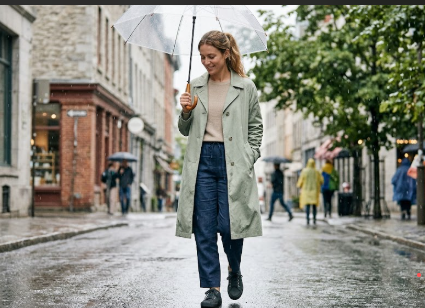
The monsoon changes more than just the weather. It changes the way we travel, work, shop, socialise and, of course, dress.
After months of intense summer heat, the rain brings a welcome sense of relief. But the season also brings humidity, sudden showers, wet roads and puddles that can make choosing an outfit surprisingly difficult. A look that feels perfect when leaving home can become uncomfortable within minutes if the rain arrives unexpectedly.
This is where practical fashion becomes important. Monsoon dressing is not about giving up on style. It is about choosing clothes, colours, fabrics and accessories that can keep up with unpredictable weather.
One of the easiest ways to make a rainy-day wardrobe more comfortable is to pay attention to fabric. Lightweight and breathable materials are generally better suited to humid conditions. Cotton blends, rayon blends and quick-drying fabrics can help the body stay comfortable, while very heavy denim and thick materials may become difficult to manage once they get wet.
The length of clothing also deserves attention. Long trousers, flowing skirts and floor-length dresses can easily collect mud and rainwater while walking outdoors. Cropped trousers, ankle-length pants, midi skirts and shorter dresses can offer greater freedom of movement while still looking polished.
For office-goers, monsoon fashion can be both professional and practical. Ankle-length tailored trousers paired with a lightweight shirt or blouse create an easy workwear combination. Neutral colours such as black, navy, beige and grey can be paired with brighter shirts or accessories when you want to add some personality. Keeping a lightweight jacket at the office can also be useful in heavily air-conditioned workplaces.
Dresses are another convenient option for the rainy season. Midi and knee-length styles can provide comfort without allowing the fabric to trail along wet streets. A shirt dress can work for a professional setting, while a relaxed dress can be ideal for weekends, coffee dates or casual outings.
Traditional fashion can also be adapted for the monsoon. Instead of very long kurtas and flowing palazzos, shorter kurtis with straight or ankle-length trousers can make everyday movement easier. Lightweight dupattas or scarves can replace heavier, longer layers, particularly when commuting during heavy rain.
Colour is another way to bring some energy to gloomy monsoon days. Bright blue, coral, emerald, mustard, pink and lavender can add freshness to the wardrobe. If bold colours are not your preference, a colourful handbag, scarf or pair of shoes can provide the same effect without changing your entire look.
Footwear, however, is one area where practicality should take priority. Wet roads and slippery surfaces can make unsuitable shoes uncomfortable and unsafe. Water-resistant sandals, rubber footwear, waterproof flats and shoes with textured soles can be better choices during rainy days. Casual waterproof sneakers can also work when the weather and setting allow.
Bags need a little planning as well. A compact crossbody or sling bag is often easier to manage when you are already carrying an umbrella. Water-resistant materials can help protect everyday essentials, while phones, documents and other sensitive items can be kept inside waterproof pouches.
Accessories can remain simple during humid weather. Small hoops, studs, lightweight chains and minimal bracelets can add a finished touch without making the outfit feel excessive. Hair accessories such as claw clips, headbands and simple ties can also be useful when humidity makes elaborate hairstyles difficult to maintain.
For anyone who does not want to spend too much time deciding what to wear, creating a small monsoon wardrobe can make everyday dressing easier. A handful of breathable tops, lightweight shirts, ankle-length trousers, cropped jeans, midi dresses, versatile kurtis and weather-friendly footwear can create multiple combinations.
The same approach works for different occasions. College students can opt for relaxed T-shirts, cropped jeans, casual kurtis or comfortable dresses, paired with a water-resistant backpack and footwear with good grip. For brunches and casual dates, a midi dress or straight trousers with a fitted top can create a stylish yet manageable look. Evening plans can call for deeper shades such as burgundy, navy, forest green or chocolate brown.
There are also a few choices best avoided during heavy rain. Extremely long hemlines can quickly become dirty, while delicate shoes may not cope well with water. Fabrics that absorb a lot of moisture can become heavy and uncomfortable, and too many layers can leave you overheated in humid conditions.
A small emergency kit can make rainy-day travel much easier. An umbrella, tissues, hair ties and a waterproof pouch are useful basics. People with long commutes may also want to keep spare socks or an extra pair of lightweight footwear at work.
Ultimately, monsoon fashion is about finding the right balance between personal style and practicality. The season does not require an entirely new wardrobe. With breathable fabrics, sensible lengths, comfortable footwear and a few versatile pieces, it is possible to stay prepared without losing your fashion identity.
The best monsoon outfit is one that allows you to walk through a sudden shower, navigate a wet street and continue with your day without constantly worrying about what you are wearing. When fashion works with the weather instead of against it, even the rainiest days can become an opportunity to dress with confidence and creativity.